
Starting a new LLC is an important step
Starting an LLC is an important legal step. Becoming funding-ready is an operating process.
A lender, supplier, or card issuer does not approve a company simply because it has an EIN or a new LLC registration. They may look for evidence that the company is real, organized, financially responsible, and able to repay the obligation being requested.
That evidence can include the company’s legal records, banking activity, revenue, payment history, industry, time in business, existing debt, and—especially with newer businesses—the owner’s personal credit and personal guarantee. The Credit Mastery System helps you with all these points and more for a productive business credit profile and thereby funding by various sources.
This guide explains how a new LLC can begin creating a credible business financial profile without relying on shortcuts, false claims, or promises of automatic funding.
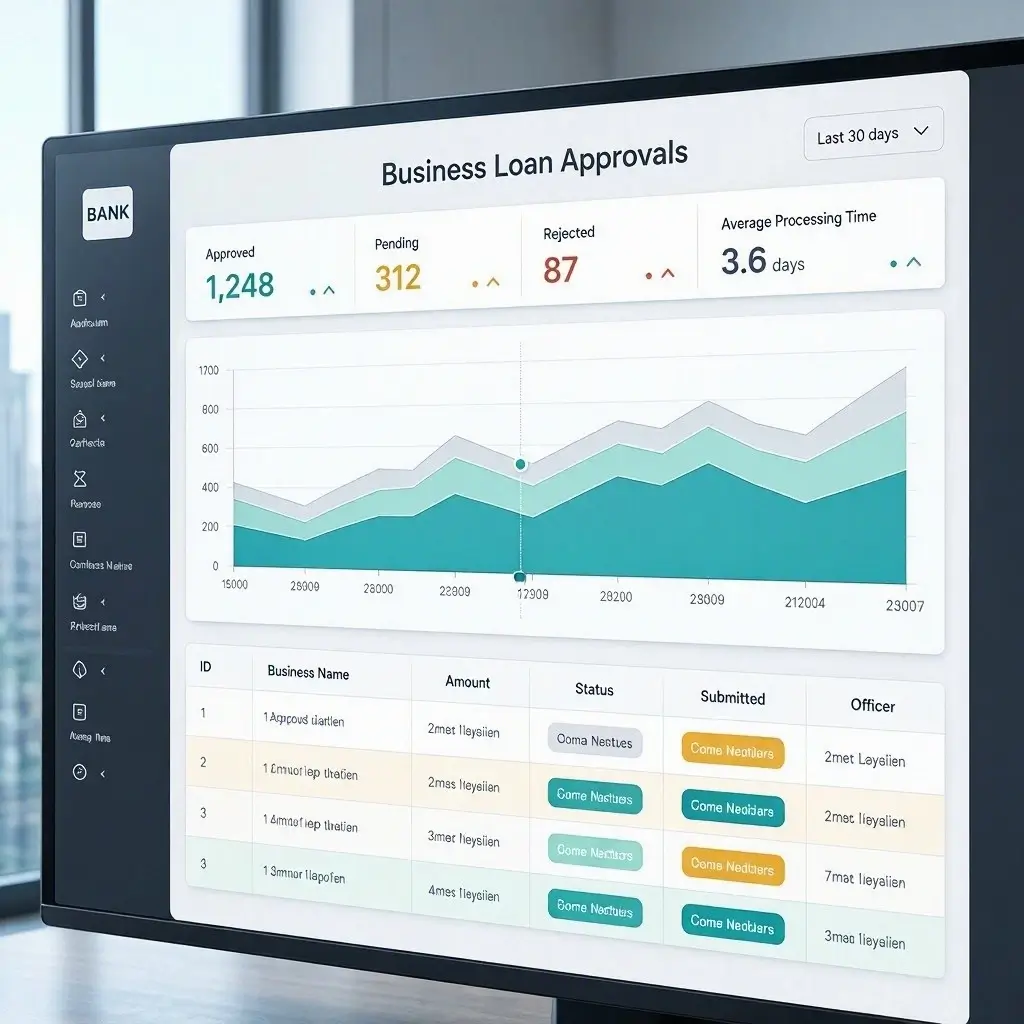
What “business credit” actually means
Business credit is a company’s record of borrowing and repayment activity. It can help suppliers, lenders, and other credit providers evaluate whether to offer payment terms, a credit card, a line of credit, equipment financing, or another financial product.
A strong business credit profile is not a single score or a secret sequence of accounts. It is the result of accurate company information, legitimate business activity, appropriate credit use, and consistent repayment over time.
Think of it as a financial reputation for the company.
The four foundations of a funding-ready LLC
1. A properly documented company
Your LLC should be in good standing and use accurate, matching information wherever the business appears. That generally includes:
- Legal business name
- EIN
- Current business address
- Business phone number and professional email
- Website that clearly describes the company’s services or products
- Required licenses, registrations, and permits
- Appropriate industry classification, including a NAICS code where required
When business information is inconsistent across public filings, bank accounts, invoices, supplier records, and applications, a lender may need more documentation before making a decision.
2. Separation between business and personal finances
A new LLC should operate like a real business, not as an extension of the owner’s personal wallet.
Open and use a business bank account. Keep clear records of company income and expenses. Pay business obligations from the business account when appropriate, and document transfers between the owner and the business.
This separation supports better bookkeeping and helps create a more understandable financial picture. It does not automatically eliminate personal-guarantee requirements, but it is a sensible operating practice for any company.
3. Credit that fits the company’s real needs
Business credit is most useful when it supports a genuine purchase, operating expense, or growth plan.
For example, a company may use supplier payment terms for inventory, a business card for recurring operating expenses, or equipment financing for equipment that produces revenue. The product should fit the business’s cash flow and repayment capacity.
Before accepting any business credit, review:
- Interest rate and annual percentage rate, where applicable
- Fees and penalties
- Payment due dates
- Personal-guarantee language
- Whether collateral is required
- Whether account activity is reported
- The total cost of borrowing
Do not apply for accounts just to create activity. More accounts do not automatically mean better credit or better funding options.
4. Reliable payment performance
A business earns trust by meeting its obligations as agreed. Paying on time helps maintain good relationships with suppliers and lenders and may support a positive credit history when accounts are reported.
Create a simple payment system: track due dates, retain invoices, reconcile accounts, and keep enough cash available for scheduled obligations. If payment trouble arises, communicate early with the provider instead of ignoring the issue.
Does a new LLC need a business credit score first?
No. A new LLC may begin by establishing its legal identity, banking relationship, operating records, and suitable accounts. Some companies develop a business credit file as providers report their payment experience.
However, a lender may make a decision using far more than a business credit report. Newer LLCs commonly face more detailed review because they have less operating history. The lender may review the owner’s personal credit, business revenue, cash flow, collateral, or personal guarantee.
There is no responsible way to promise that a new business will receive funding without personal credit, without a personal guarantee, or by using an EIN alone. Requirements differ by provider and product.
A 90-day business-credit readiness checklist
During your first three months, focus on sound business operations:
- Confirm that the LLC is active and that business records are current.
- Obtain an EIN, if needed, and open a dedicated business bank account.
- Use a consistent business name, address, phone number, and email across company records.
- Establish a bookkeeping system that tracks income, expenses, invoices, and debt.
- Obtain only the licenses, permits, insurance, or registrations relevant to your industry.
- Consider credit products only when they support a real business need.
- Verify reporting practices before relying on an account to help establish business credit.
- Pay every legitimate obligation on or before its due date.
- Review company credit information for errors and dispute only inaccurate information with documentation.
- Build a funding file with bank statements, formation records, financial reports, and a clear use-of-funds plan.
Common misconceptions new business owners should avoid
“An EIN is business credit.”
An EIN is a federal tax-identification number for the business. It can be used on many business applications, but it is not itself a credit score, approval, or funding guarantee.
“An LLC protects me from every business debt.”
An LLC may provide legal separation in many situations, but signing a personal guarantee can create personal responsibility for that obligation. Read agreements carefully and seek qualified legal advice for questions about liability.
“I can remove accurate negative information.”
Accurate, current negative information cannot lawfully be removed simply because it is unfavorable. If a credit report contains an error, use the appropriate dispute process and provide truthful documentation.
“More applications improve my chances.”
Multiple applications can create unnecessary inquiries, fees, debt, and operational stress. Apply selectively after you understand the provider’s requirements and the company’s ability to repay.
How Credit Mastery supports business education
Credit Mastery provides educational resources for entrepreneurs who want to better understand business structure, documentation, credit readiness, and responsible funding decisions. The goal is to help business owners ask stronger questions, organize their companies, and evaluate opportunities with greater clarity.
Frequently asked questions
Can a brand-new LLC apply for business credit?
Yes, but approval requirements vary. A new LLC may be asked for personal-credit information, a personal guarantee, bank statements, revenue information, or other documentation.
What is the first thing a new LLC should do before seeking funding?
Establish a legitimate business identity, open a dedicated business bank account, organize financial records, and identify the exact business purpose for the funds.
Do all vendor accounts build business credit?
No. Reporting practices vary. Ask whether the vendor reports payment experience, which business credit bureau receives the information, and how frequently it is reported.
How can I improve my LLC’s funding readiness?
Keep company information accurate, use credit responsibly, pay on time, maintain records, understand your cash flow, and apply only for financing that aligns with your needs and repayment capacity.
Educational notice: Credit Mastery provides general business education, not lending, legal, tax, or credit-repair services. This page is not financial, legal, or tax advice. Terms, eligibility, and funding outcomes vary by provider, applicant, and product. Consult qualified professionals for advice about your specific circumstances.
The Credit Mastery System is different from the generic internet “GURU”s and generic AI-driven information and has been a leader for over 15 years in educating small business owners to obtain funding.
Government resources
- U.S. Small Business Administration, “How to Build Business Credit”: https://www.sba.gov/blog/2019/2019-12/how-build-business-credit-quickly-5-simple-steps/
- U.S. Small Business Administration, “Grow Your Business”: https://www.sba.gov/counseling/grow-your-business/
- Federal Trade Commission, “Fixing Your Credit FAQs”: https://consumer.ftc.gov/articles/fixing-your-credit-faqs